Phased election starts late December
Myanmar’s Union Election Commission announced in August that “multi-party democratic” general elections will start on December 28.

The country’s previous general election took place in 2020. The military staged a coup the following year, alleging voter fraud and detaining pro-democracy leader Aung San Suu Kyi.
In July, the junta’s leaders lifted a state of emergency that had been in place since their power grab, supposedly paving the way for a transition to civilian rule.
A mere ‘change in clothing’

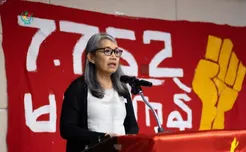
Myanmar native Khin Ohmar is highly skeptical of the military’s intentions. “The whole purpose of planning this so-called election is because, after the four years since 2021, they need to move on,” she said while delivering a lecture last week in Tokyo.
“They need to take another step… change into civilian uniform, show the whole world that they are the government of Myanmar. And the only way is to hold an ‘election’.”
Khin Ohmar lives in exile. She moved out of Myanmar during another coup in 1988, and has been involved in the pro-democracy movement from abroad ever since.

She said most of the 57 political parties that are allowed to participate in the upcoming election have close ties with the military. And she believes people in Japan can help to ensure the result does not gain traction on the global stage.
“I would like to seek your support, to amplify our message to the Government of Japan, to take the side of Myanmar’s people,” she said. “Support our democracy struggle and renounce this sham election.”

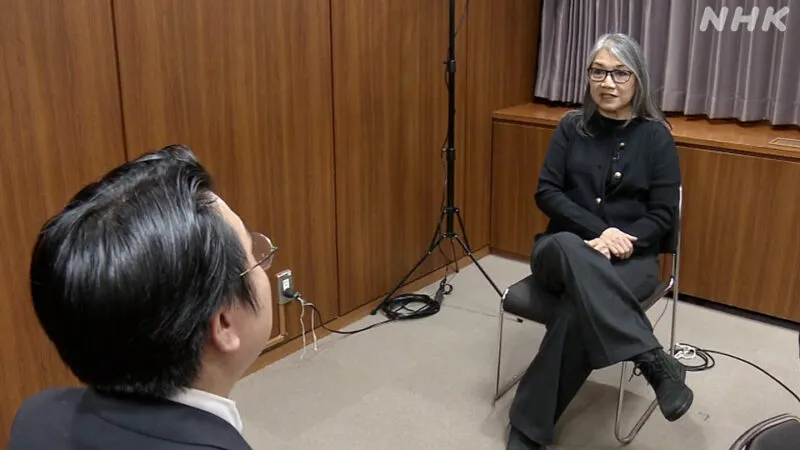
Khin Ohmar spoke to NHK World before delivering her lecture in Tokyo. She accused the junta of attempting to stifle free speech before polling stations open.
“In the last two months, 88 people including filmmakers, comedians and actors have been arrested, some immediately sentenced to three to five years, for indirectly writing about how they feel, without even using the word ‘election’,” she says.

Fears of intensifying clashes
She also expressed concern about escalating violence between the military, pro-democracy forces and armed ethnic groups. The junta likely wants to tighten its grip on the country ahead of the vote, but Khin Ohmar says civilians, including children, are in the firing line.
“If the military consolidates power, that means more human tragedy,” she says. “I hope the Japanese government… at this historic moment, sides with the people’s movement for democracy.”
The military’s leaders insist the vote will be free and fair, but doubts persist. They’ve asked the Association of Southeast Asian Nations to send observers, but sources say the bloc will refrain.

Some people say the election is unlikely to usher in a period of lasting peace for Myanmar, especially after all these years of unrest. What should not be in any doubt is the need for constant pressure from the global community, to ensure conflicts in the country end through dialogue, and genuine democracy can take root.